Why Frozen Pipes Are a Denver Problem
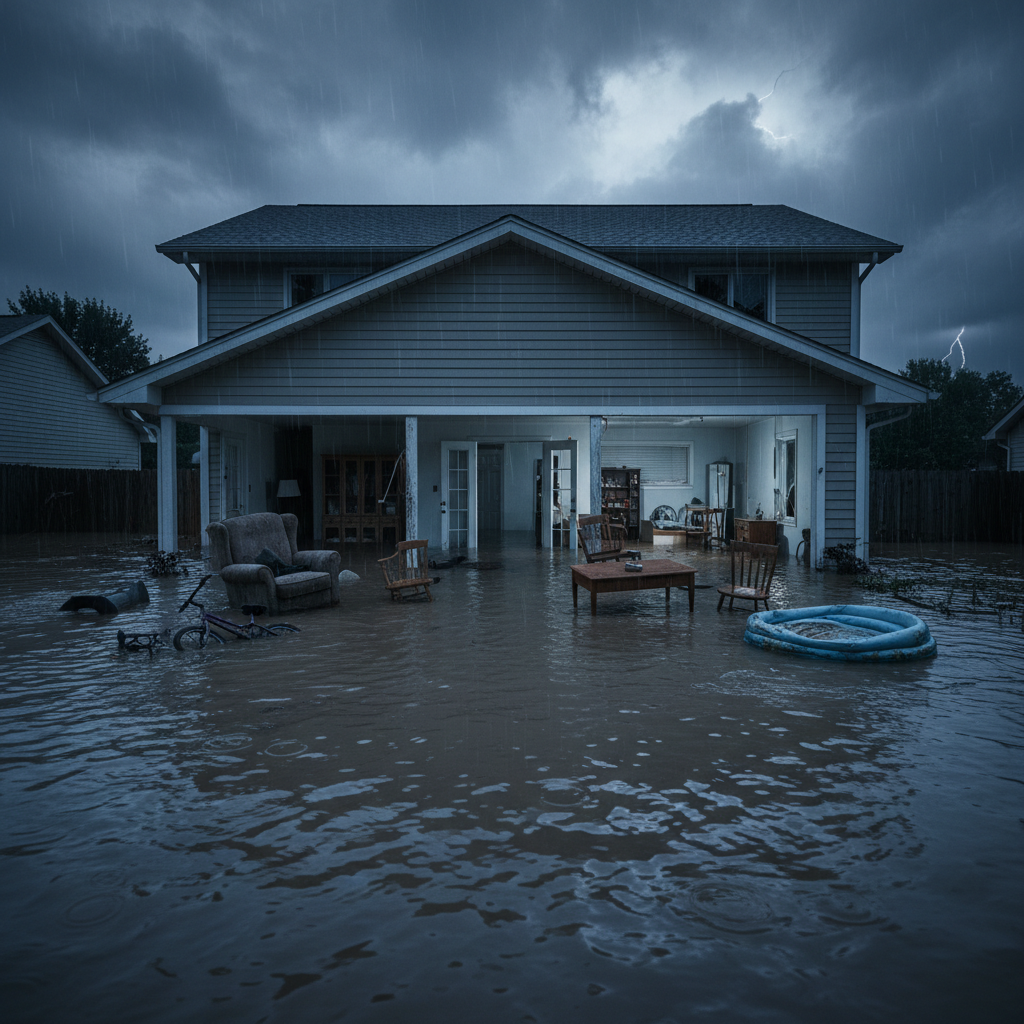
When temperatures drop below 20°F — common on clear Denver winter nights — water inside exposed pipes can freeze. Water expands as it freezes, and that expansion puts enormous pressure on the pipe wall. Eventually the pipe cracks or a fitting fails, and once the ice thaws, you have a flood.
The pipes most at risk are those in unheated areas: crawl spaces, attics, garages, exterior walls, and basements. Outdoor hose bibs are also frequent culprits.
How to Prevent Frozen Pipes
- Insulate exposed pipes in crawl spaces, attics, and along exterior walls with foam pipe sleeves.
- Disconnect and drain outdoor hoses before the first hard freeze, and shut off outdoor hose bibs.
- Let faucets drip during extreme cold snaps — even a small trickle keeps water moving and relieves pressure.
- Open cabinet doors under kitchen and bathroom sinks so warm air reaches plumbing on exterior walls.
- Keep your thermostat at 55°F minimum even when you're out of town — never lower it to save on heating.
- Seal gaps and cracks where cold air enters near pipes with caulk or spray foam.
Signs a Pipe Is Frozen
- No water flow at a faucet during cold weather.
- Frost visible on an exposed pipe.
- A bulging or cracked pipe section.
- Unusual smells from a drain or faucet (a blockage can cause trapped air and odors).
What to Do the Moment a Pipe Bursts
- Shut off the main water valve immediately. Every homeowner should know where this is — typically near the water meter or where the main line enters the house.
- Turn off electricity to any affected rooms if water is near outlets, appliances, or the breaker panel.
- Call SDU Catastrophe Response at 720-327-9040. Our certified crew arrives within 45 minutes across the Denver metro to stop the water, extract it, and begin drying.
- Move valuables and furniture away from the water if it's safe to do so.
- Document the damage with photos for your insurance claim.
Why Fast Response Matters
Water spreads fast — within minutes it soaks into flooring, wicks up drywall, and saturates subfloors. Within 24–48 hours mold can begin to grow. Professional extraction and drying within the first few hours dramatically reduces total damage and reconstruction cost.
If you're dealing with a burst pipe in Denver, Aurora, Boulder, or anywhere along the Colorado Front Range, call 720-327-9040 — available 24/7/365.
Dealing With Water Damage Right Now?
Our certified crew arrives within 45 minutes across the Colorado Front Range — 24/7/365.
Call 720-327-9040